Loading...

Life-threatening surges threaten Florida's coast.
80%
Originality
95%
Accuracy
0%
Upvotes
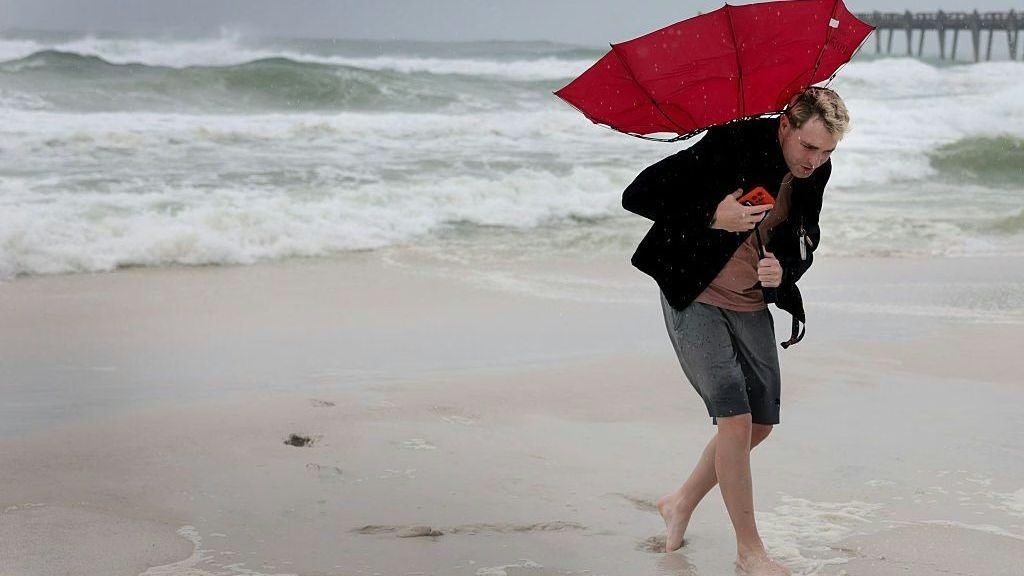
Hurricane Isaias made landfall on Florida’s western panhandle Friday evening as a Category 2 storm with 110 mph (175 kph) winds. The system weakened slightly before striking, but forecasters warn it will bring life-threatening storm surges that could push water up to 9 feet (2.7m) inland.
Florida, Alabama, and Georgia declared states of emergency as the storm approached. Both Florida and Alabama ordered mandatory evacuations. Florida Senator Rick Scott urged residents in coastal zones to leave immediately, posting that they should "DO NOT WAIT! Get out NOW!" Alabama Governor Kay Ivey restricted access to key counties, clearing out tourists and non-residents ahead of the worst weather.
Power grids buckled before the storm even hit. More than 350,000 customers lost electricity in Florida, while Alabama and Georgia faced outages affecting 170,000 and 8,000 people respectively. National Weather Service meteorologist Melissa Watson warned that hurricane-force winds reach 35 miles (55 km) from the storm’s center, with tropical storm-force gusts spreading 205 miles (335 km) outward. The center is expected to track across Alabama and into the Tennessee Valley on Saturday and Sunday, carrying heavy rain and a risk of tornadoes.
Isaias marks a notable shift in the Atlantic hurricane season, which has been delayed by El Niño weather patterns. It is the first named storm of the year and the first hurricane to form since October in more than 30 years. The system joins two other Pacific storms hitting Mexico and Southern California this weekend.
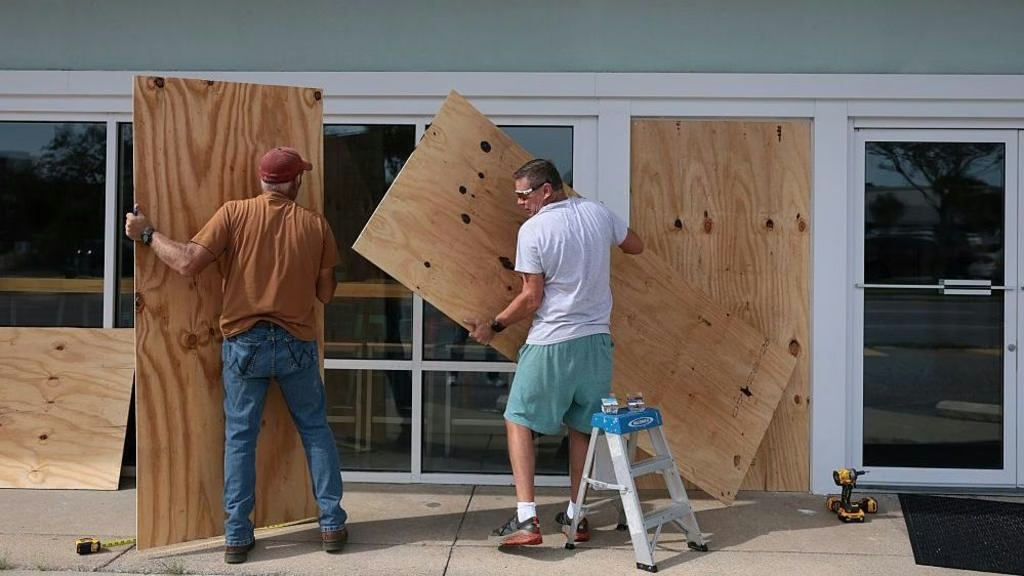
Businesses and residents are bracing for the impact. The Waffle House chain closed several locations in the hurricane’s path, a traditional indicator of severe weather. In Navarre, Florida, resident John Guoth decided to shelter in place, securing boats and trailers to keep them from flipping over. Officials stressed that staying indoors is critical. Watson told residents to keep multiple ways to receive alerts and move to higher ground if they live near the coast, emphasizing that people should remain inside while the storm passes.
Political events also shifted to accommodate the weather. President Donald Trump canceled plans to attend a college football game in Tuscaloosa, Alabama, and moved his schedule to a rally in Tennessee. As the system moves inland, emergency crews across the Gulf Coast are preparing for widespread flooding and wind damage.