Loading...

Froyo's Comeback Reflects Consumer Shift to Small, Sweet Pleasures
85%
Originality
95%
Accuracy
0%
Upvotes
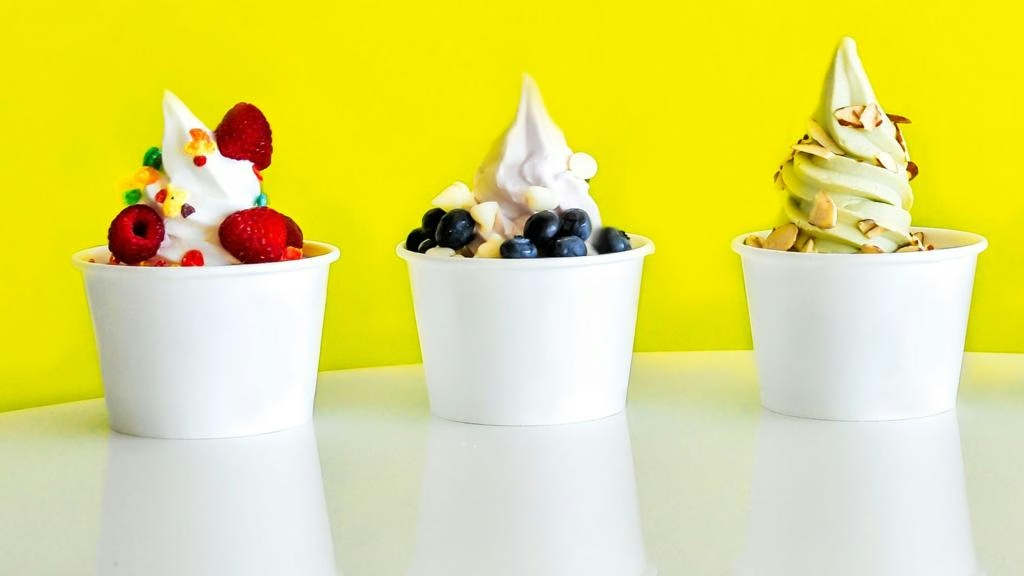
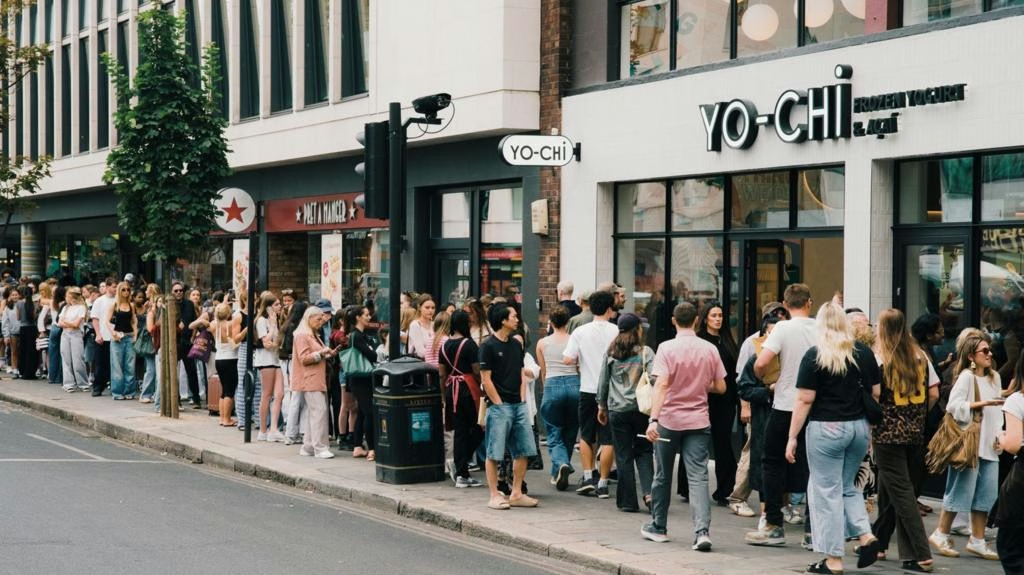
Frozen yogurt is returning to UK high streets, driven by nostalgia, social media trends, and a consumer shift toward customizable treats. Brands including Go Greek, Myka, Yo-Chi, and Frurt have recently launched or expanded operations, drawing long queues despite tub prices reaching £12.
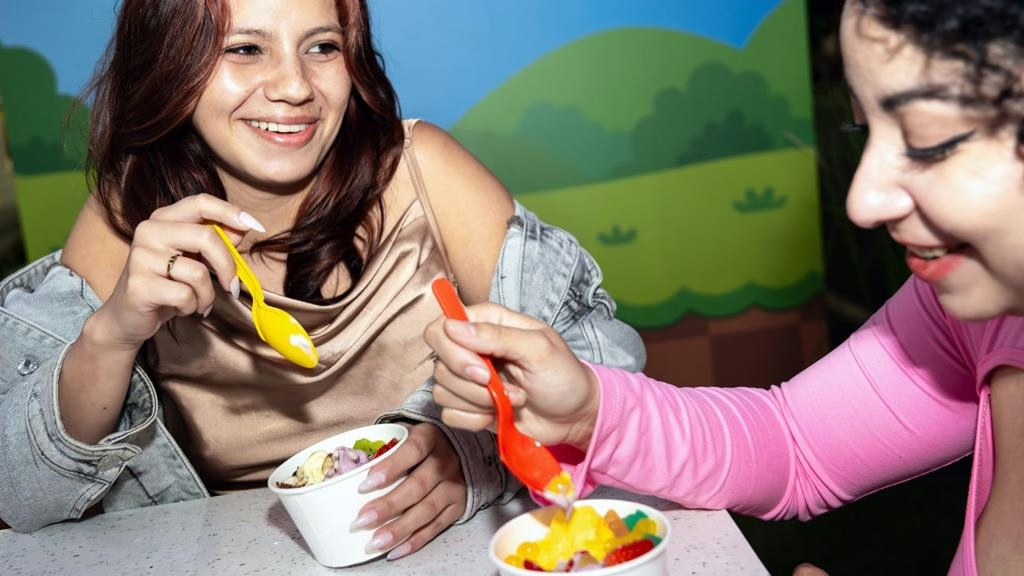
Shoppers are treating the dessert as an affordable luxury rather than a daily meal. A 19-year-old student waited 45 minutes to buy a pot, noting that the ability to control sweetness and portion size makes the experience worthwhile. Industry professionals observe that consumers are prioritizing small, enjoyable purchases over larger expenses. "Sweet treat culture is huge. People aren't spending a fortune on big things, but a little thing like that, they are happy to," said Bethan Clarke, campaign manager at Yo-Chi.

The European frozen yoghurt market is projected to reach £434m in 2026, up from £419m last year. New openings like a Yo-Chi branch in London's Notting Hill area gained rapid attention on social media following its August launch. The trend aligns with online movements celebrating past decades, with users frequently referencing "2026 is the new 2016". Store staff report diverse crowds, ranging from teenagers to tradespeople, all drawn by the interactive dessert-making process.
While frozen yoghurt typically contains fewer calories and less fat than traditional ice cream, operators avoid marketing it as a strictly healthy option due to potential added sugar. The appeal lies in personal control. Customers select their own flavors and toppings, managing their intake without feeling overindulged. This customizable model separates the modern product from its less flexible predecessors.
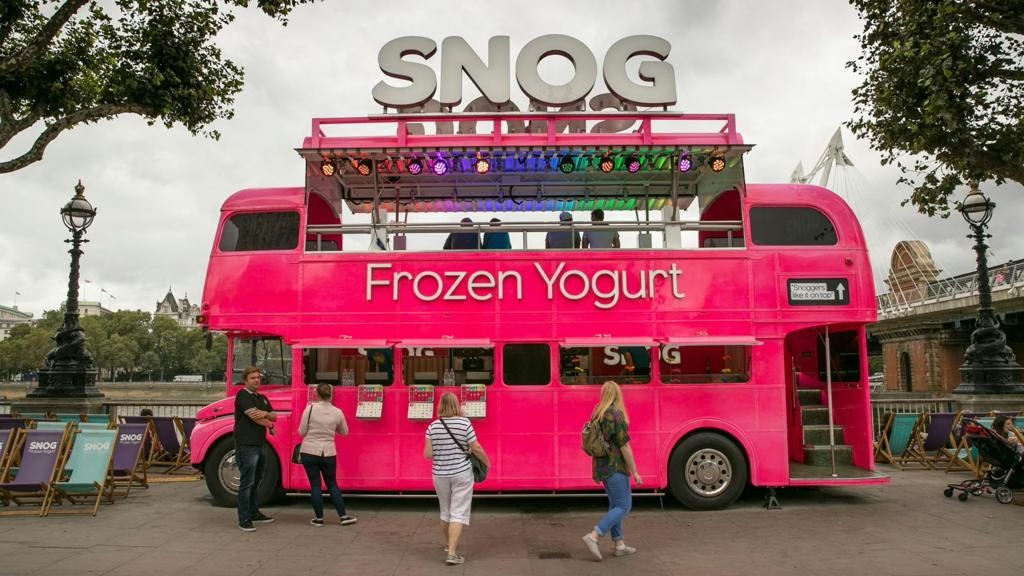
The original wave of frozen yogurt peaked in the late 2000s and early 2010s before collapsing under market over-saturation and shifting consumer expectations. Experts note that the current revival benefits from updated branding and a stronger emphasis on the in-store experience. "For many people, they don't smoke or have expensive lifestyles, so froyo isn't viewed as food, it's viewed as an experience," said Vhari Russell, founder of Food Marketing Experts. Analysts believe this experiential angle, combined with throwback nostalgia, will help the trend outlast its initial surge.
