Loading...

Flood risks rise as homes face uninsurable futures.
80%
Originality
95%
Accuracy
0%
Upvotes
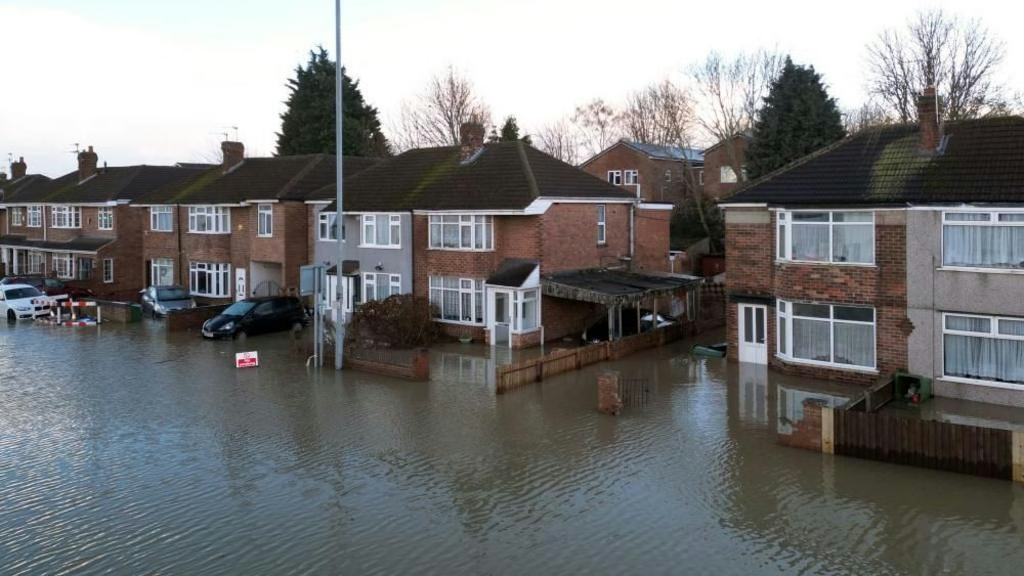
England is constructing thousands of homes in flood-prone areas that insurers will likely refuse to cover as extreme weather becomes more frequent, according to Aviva CEO Amanda Blanc.
Current development plans call for 115,000 new properties in high-risk zones over the next decade. Blanc warned that building in these areas ignores escalating climate realities and could leave homeowners with uninsurable assets.
Aviva research shows one in nine homes built between 2022 and 2024 already face medium to high flood risk. Nearly a third of homes constructed in 2024 will encounter some flooding by 2050, with the severe risk rising to one in seven as weather patterns grow more volatile.
The Met Office projects that wet winters like the one the UK experienced in 2023-2024 will shift from rare once-in-80-year events to recurring once-in-20-year occurrences. The Environment Agency currently flags about 6.3 million homes and businesses in England as vulnerable to water damage.
"That doesn't seem to me to make sense. We need to think about where those homes are being built," Blanc said. She argued that construction bordering flood zones requires updated standards and that property owners can take practical steps to reduce vulnerability.
Blanc also cautioned against speculative policy announcements before Chancellor John Healey's Budget on 28 October. Recent rumors about pension reforms triggered a massive spike in withdrawals. "Effectively we saw in the last year 30 times the normal withdrawal from pensions that we would normally see, which is clearly something which customers may regret afterwards because once you take your tax-free lump sum out, you can't put it back in," she said.
The insurance giant currently deploys more than £100bn in the UK, directing £35bn toward infrastructure like hospitals, schools, and windfarms. Blanc said Aviva has the capital ready for UK projects, provided the government offers clear policy details. She also noted that changes to the state pension triple lock, which ties increases to wages, inflation, or 2.5%, would shift financial pressure onto private retirement savings.
The government has not yet commented on the warnings.
