Loading...

A crisis of heat, power, and conflict threatens pregnant women's lives.
85%
Originality
95%
Accuracy
0%
Upvotes
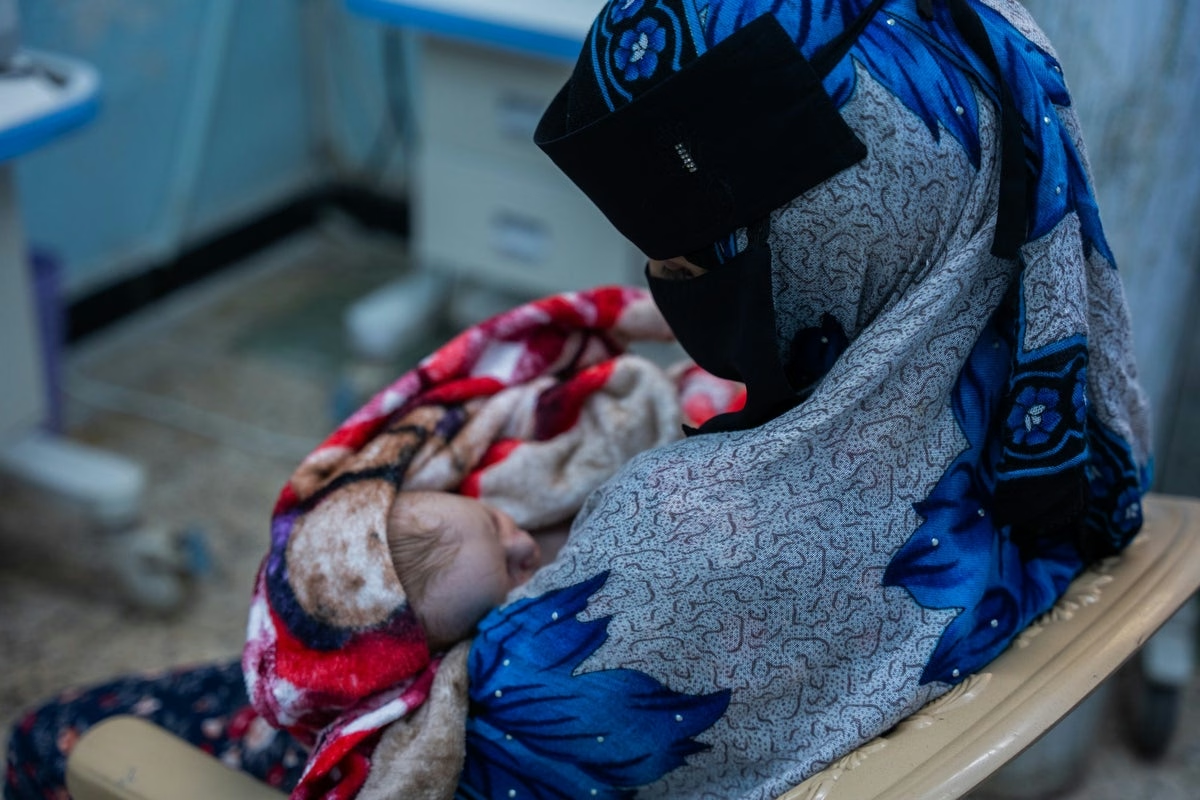
A compounding crisis of record-breaking heat, severe electricity cuts, and shrinking aid budgets is pushing pregnant women in Yemen to the brink, with medical experts warning of severe complications and a surge in displacement.
Summer temperatures in Aden regularly crossed 40C while acute fuel shortages and damaged infrastructure left residents with only about two hours of electricity per day. The combination created unbearable indoor conditions. Pregnant women are among the hardest hit by the triple threat of conflict, extreme heat, and power cuts, according to Ali Daoudi, policy lead at Oxfam Yemen.
Extreme heat directly endangers pregnancy outcomes. Medical studies show it increases cardiovascular risks for expectant mothers and reduces blood flow to the placenta, which can worsen pre-eclampsia. High heat exposure also raises the odds of premature birth by up to 26 per cent. Each 1°C rise in temperature increases stillbirth rates by roughly five per cent. In Aden, prolonged dehydration and exhaustion have already caused patients to develop blood clots and other severe symptoms.
“What you see in the news tends to be about missiles, bullets, and frontlines reactivated," says Daoudi. “But here - it’s not that people don’t have air-conditioning. They also don’t have fans, and they don’t even have fridges… and there is often no chance of buying these things as prices are increasing by hundreds of dollars.”
Social norms compound the physical toll. During summer protests known as the “mattress revolution,” hundreds of residents slept on streets to escape the heat. Women generally do not participate due to cultural restrictions. Instead, they remain indoors with little ventilation. Many are forced to sell gold and family heirlooms just to afford solar panels and inverters for basic cooling. The setup still requires hundreds of dollars in equipment.
The financial strain is worsened by a collapsing aid network. The closure of USAID under Donald Trump and aid reductions from countries like the UK have triggered a charity exodus. One organization Daoudi previously worked with cut its staff by 95 per cent. Another shut down 43 health facilities overnight, eliminating access to doctors, midwives, and disease monitoring for illnesses like polio and measles. UN data indicates Yemen has received only about one third of its 2024 aid funding so far this year.
Meanwhile, Houthi advances in western Yemen have displaced more than 130,000 people, pushing huge numbers into Aden. Ferran Puig, Oxfam Yemen’s country director, warned that the current military escalations threaten civilians who have already survived an 11-year conflict. “Two thirds of the population in Yemen needs humanitarian assistance, and thousands are facing famine. Further military escalations will only deepen hunger and displacement and disrupt the humanitarian assistance millions depend on to survive."
For mothers still carrying pregnancies through the summer, survival depends on dwindling resources and medical supervision. Without restored cooling infrastructure and humanitarian support, the hidden toll of the war continues to rise.
