Loading...

Rising fuel costs strain drivers and businesses.
75%
Originality
95%
Accuracy
0%
Upvotes
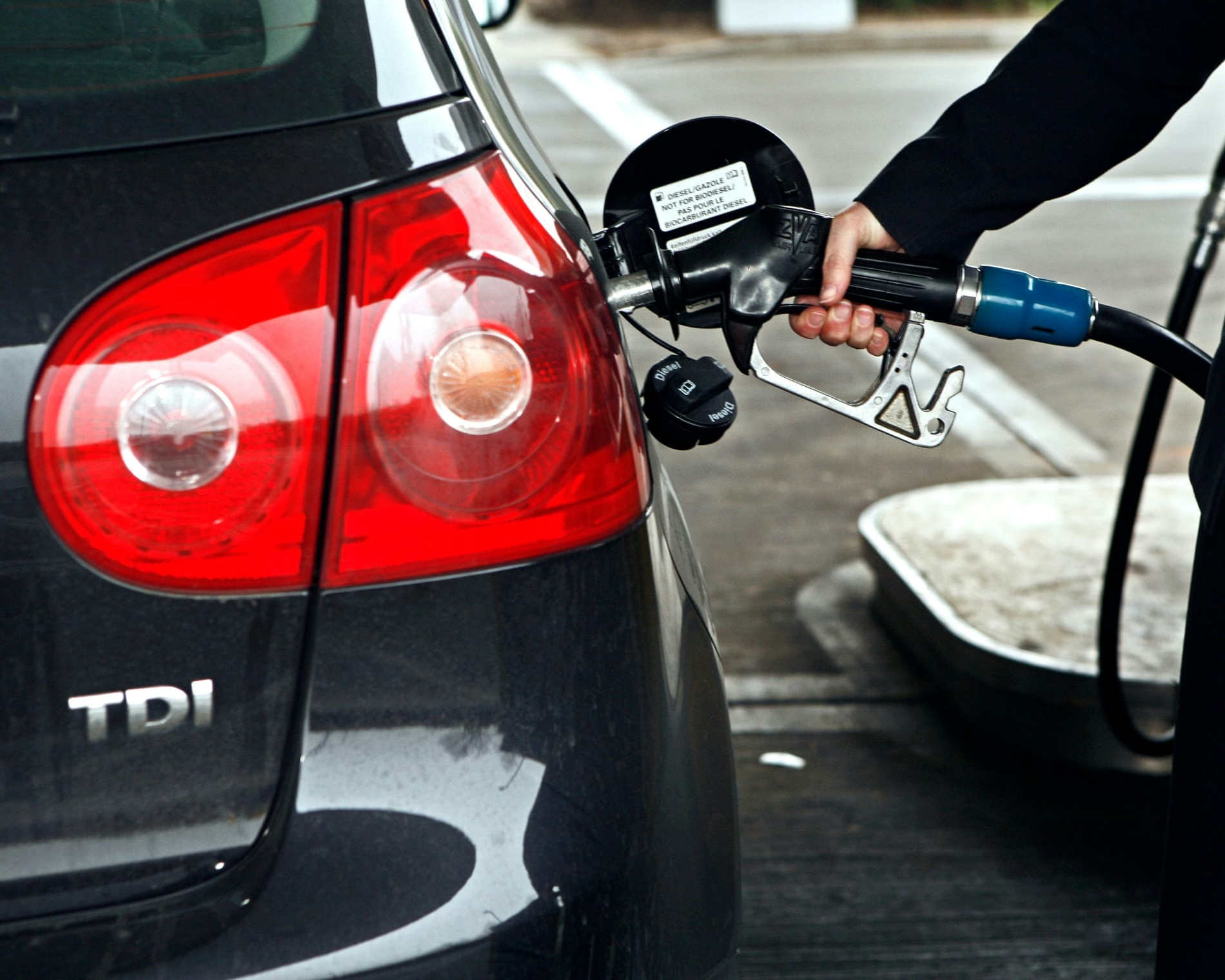
The average price of diesel at UK forecourts has crossed £2 per litre, marking a new financial strain for drivers and businesses across the country. Filling a typical family car now costs £110, a jump of nearly £32 since the conflict in the Middle East began disrupting supply chains.
Unleaded fuel is climbing alongside diesel, averaging 174.1p per litre after a 31.5% increase since 28 February. A standard tank now runs £96, leaving motorists paying over £23 more than before the crisis escalated. Many stations have already been charging above the two-pound mark for weeks, according to motoring group RAC.
Governments are scrambling to stabilize markets after the United States threatened an export ban on diesel. Transport minister Keir Mather told motorists on Friday that the UK is not facing a shortage, though the US administration has pressured Germany and France to tap their stockpiles or risk losing American fuel. Britain opened emergency talks with European partners on Thursday, while EU energy commissioner Dan Jørgensen confirmed discussions are underway with the entire International Energy Agency. Leaders at a recent G7 summit debated releasing 50m barrels of diesel from European reserves and an equal amount of crude oil.
The UK imports roughly 30% of its diesel from the US, relying mainly on mainland Europe for the rest. The country currently holds 42 days of reserve supplies. “This is a pump price threshold that no one wanted to cross,” said Simon Williams, head of policy at the RAC. He added that the current price point will strain commuters, haulage firms, and sole traders alike.
The fuel crisis is already reshaping broader inflation forecasts. Capital Economics projects that a US export ban could drive diesel to £3 per litre and push national inflation to 5%, up from 3.1% in August. Household energy bills are rising in tandem, with the quarterly price cap jumping 4% this week to £1,723 annually. Forecaster Cornwall Insight expects the cap to climb another 16%, adding £276 to typical dual-fuel bills. Ole Hansen at Saxo Bank noted that the real bottleneck is no longer crude oil, but damaged refineries in the Middle East and Russia struggling to produce enough finished fuel.
