Loading...

Banning the parade to protect public safety.
85%
Originality
95%
Accuracy
0%
Upvotes
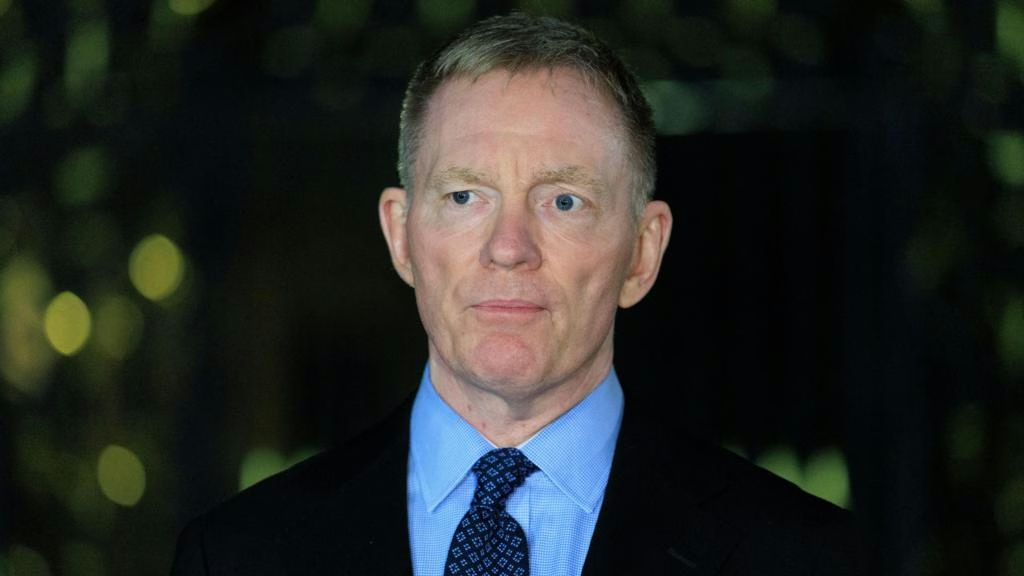
Northern Ireland Secretary Sir Chris Bryant has banned the Drumcree parade, ending a two-week standoff between the Orange Order and nationalist residents in Portadown. Bryant overrode a Parades Commission ruling that had permitted the march, acting on direct police advice that the procession could not proceed safely.
Chief Constable Jon Boutcher told the secretary of state that all lawful options to facilitate the march had been exhausted. He warned that forcing the parade would require a massive police operation with severe fallout. "Further to this, such an operation would in my view have had not only catastrophic long-term consequences for trust and confidence in policing, but for the Northern Ireland Executive and the peace process," Boutcher said.
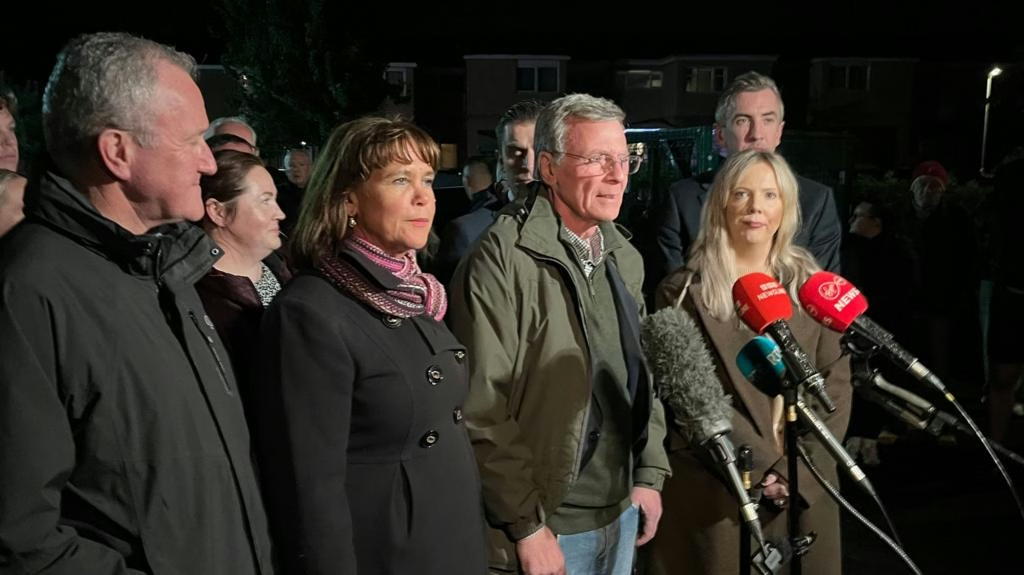
The ban brought immediate relief to the Garvaghy Road community, where residents had blocked the route for days. Sinn Féin President Mary Lou McDonald said the decision lifted an awful threat from the area. For long-time campaigners, the outcome carried mixed emotions. Breandán Mac Cionnaith of the Garvaghy Road Residents Coalition said the victory felt bittersweet. "we have to remember the price that was paid for to get this decision over many years," he said.
Unionist leaders and the Orange Order condemned the move. The DUP argued that police had been forced to step back due to republican agitation. TUV leader Jim Allister called the ban a surrender to mob rule. The Portadown District Orange Order accused the government of rewarding criminality and threatened legal action against the decision.
The Drumcree dispute echoes the violent standoffs of the mid-to-late 1990s, when attempts to march down the Garvaghy Road sparked riots and killings. The current policing operation has cost around £3m. The Parades Commission had allowed the march on Sunday 27 September after a court overturned its original ban, but the standoff continued until Bryant's intervention.
